
The Rise of Local Sanitizer Production
Market Demand and Supply Dynamics
Lockdowns emptied store shelves in March 2020, exposing South Africa’s reliance on imported sanitizers. Within weeks, local distilleries and chemical plants pivoted their operations. Today, hand sanitiser manufacturers south africa have turned that crisis into a resilient industry.
The demand curve shifted sharply. Hospitals needed bulk supply. Spaza shops needed small bottles. Supply followed, but with friction. Raw material costs surged and packaging became a bottleneck. I watched smaller producers scramble for glass pumps and trigger sprays.
Some factories now produce over 50,000 litres per month. Others focus on fragrance-free formulas for sensitive skin. This supply chain has grown more robust.
- Import tariffs on ethanol remain contentious
- Small producers compete with mass manufacturers on price
- Municipal tenders favour established players
The rise of hand sanitiser manufacturers south africa marks a structural change in the local health economy.
Key Players Shaping the Industry
Before 2020, this sector barely registered. Today, hand sanitiser manufacturers south africa hold a permanent position in the national supply chain, their growth driven by stubborn necessity rather than ambition.
Three groups now define the industry:
- Craft distillers who traded brandy runs for sanitiser batches
- Chemical producers who supply hospital and corporate contracts
- Entrepreneurial newcomers building brands around indigenous botanicals
I have watched smaller operators build steady businesses, and their tenacity is something to see! Their approaches differ sharply. Some chase volume. Others court retail clients with distinctive scents and premium touches.
Regional Manufacturing Hubs
Look at a map of hand sanitiser manufacturers south africa today and you will see a country transformed by necessity. Production clusters emerged where infrastructure already existed, not where planners had intended. The geography is precise:
- Gauteng, the volume hub, where chemical plants run continuous shifts.
- The Western Cape, where wine estates pivoted to filling lines alongside their own vineyards.
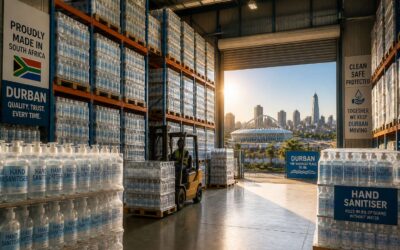
- KwaZulu-Natal, where port proximity made bulk ingredient imports practical.
Each hub carries its own temperament. Some operations are hardened industrial affairs, staffed by veterans of the chemical trade. Others feel like craft workshops, with small teams hand labelling bottles between runs. The regional split reveals a deeper truth about this sector. Proximity to raw materials and transport routes decided who survived the early chaos and who folded. These regional roots account for the staying power of hand sanitiser manufacturers south africa today.
The Impact of Public Health Campaigns
One week into lockdown, sanitiser sales rose by 400 percent. That number forced every chemical supplier to rethink their business. Small workshops started producing gel in rented garages. Large plants shifted away from industrial solvents. Within months, hand sanitiser manufacturers south africa had built a new production base.
Public health campaigns then took over. They gave us instructions, reminders, and mild guilt. That persistent messaging shaped our buying habits. We now expect sanitiser at every entrance, and we judge venues that lack it. This psychological shift sustains local makers. The campaigns did more than inform, they secured a permanent market for hand sanitiser manufacturers south africa.
Navigating Regulatory Compliance and Standards
SANS Standards for Hand Sanitizers
The quiet tension of a compliance audit hangs over every production line. For hand sanitiser manufacturers south africa, the stakes are not abstract. SANS 490 is the benchmark that separates legitimate production from dangerous guesswork.
This standard demands more than a high alcohol percentage. It mandates rigorous testing for bactericidal activity, stability under local climate conditions, and packaging that preserves efficacy. Every batch must trace back to raw material certificates. One failed test can halt an entire shipment.
The requirements stack up in unexpected ways:
- Proof of ethanol or isopropanol concentration within the specified range
- Documented microbial challenge tests from an accredited laboratory
- Batch traceability and recall protocols
Manufacturers who treat SANS compliance as a moving target find themselves prepared when inspectors arrive. The mystery lies in what regulators will scrutinise next, and only the meticulous remain ready.
Labeling and Packaging Compliance
A single misprinted warning can invalidate an entire production run. For hand sanitiser manufacturers south africa, every label and container must satisfy multiple regulators. The packaging itself must preserve the product’s alcohol concentration from factory to shelf.
Compliance demands attention to material compatibility, child resistant closures, and clear dosage instructions. I have seen factories move from cardboard to PET bottles because the alcohol leached adhesives, and that shift is not optional! It is a calculated market decision.
- Batch number and manufacturing date
- Active ingredient percentage
- Warning statements in English and Afrikaans
- Storage conditions for extreme heat
These details rarely appear in marketing brochures, yet they determine whether a product reaches a pharmacy shelf. Regulators in this country inspect packaging as seriously as the formula itself.
Import and Export Regulations for Local Producers
An export order without the correct permit will sit at the border while storage fees climb. The South African Health Products Regulatory Authority requires one submission; the destination country demands another. This dual documentation process kills many promising deals. For hand sanitiser manufacturers south africa, export success depends on mastering both local rules and foreign import protocols.
The Southern African Development Community harmonises certain standards, but member states still impose their own conditions. A certificate accepted in Pretoria may be rejected in Lusaka. Producers must maintain market specific paperwork for every consignment.
Currency movements complicate already lengthy approval timelines. I have watched deals collapse over a missing stamp. It sounds trivial until your shipment is impounded!
- Confirm whether the buyer’s country requires a local registered agent
- Verify if the alcohol concentration triggers excise duties
- Determine if the label language must be translated for that market
Each step carries its own cost and delay.
Raw Materials and Production Processes
Sourcing Ethanol and Isopropyl Alcohol Locally
Ask any procurement officer at hand sanitiser manufacturers south africa where they source ethanol and isopropyl alcohol, and you will get a lecture! The local ethanol industry, built from sugar cane, supplies the bulk of the raw material. Isopropyl alcohol depends on imports, and importers rarely respect a production deadline.
Smart producers diversify their suppliers and keep a buffer. They also watch the South African Revenue Service, because excise duty audits on denatured alcohol arrive without warning. A straightforward sourcing strategy includes:
- Verifying the alcohol’s SANS compliance before purchase.
- Confirming the denaturing agent matches the approved recipe.
- Maintaining a six week raw material buffer.
That buffer is the difference between fulfilling a public health contract and watching the factory go quiet.
Essential Additives: Glycerin, Aloe Vera, and Fragrances
No one rebuys a sanitiser that smells like a lab accident. The base alcohol does the killing, but glycerin, aloe vera and fragrance determine whether the product gets used at all. Glycerin is the primary moisturiser, usually added at 1 to 3 percent to stop the skin from cracking. Aloe vera adds soothing properties and a premium feel. Fragrances mask the solvent smell, but they must survive contact with high proof alcohol.
Formulation teams at hand sanitiser manufacturers south africa balance these additives carefully. Too much glycerin leaves a sticky film. Too much fragrance triggers sensitivity complaints. The supply chain matters too.
Key additives to track:
- Glycerin: stabilises moisture and thickness
- Aloe vera: calms irritated skin
- Fragrance oils: must be alcohol stable
Get the balance wrong and your product ends up unused, which defeats the entire purpose of manufacturing it.
Blending and Formulation Techniques
Raw materials arrive with certificates of analysis, but the real test happens inside the blending tanks. Hand sanitiser manufacturers south africa face a constant variable in ethanol, which behaves differently depending on whether it derives from sugarcane, maize, or imported petrochemical sources. Each new delivery forces a recalibration of the entire formula.
The blending process is a study in controlled chaos. High shear mixers create vortices that pull the thickening agent into the alcohol solution. Add the powder too quickly and it clumps into undissolved pearls.
- Mixer speed and shear rate determine gel consistency
- The order of ingredient addition affects viscosity
- Temperature control influences how the thickener hydrates
- Hold times allow air bubbles to escape before filling
Water quality plays a hidden role. Hard water minerals can destabilise the gel matrix, so many producers run deionised water through the entire system. It is a quiet detail, but it separates reliable output from frustrating batch failures.
Filling and Packaging Automation
Once the gel settles, automation takes over. The fastest filling lines among hand sanitiser manufacturers south africa handle thousands of units per hour. Servo driven pistons dose each bottle to the gram. Capping heads apply torque with mechanical patience.
An array of sensors watches every step:
- Fill level checks reject underfilled bottles
- Cap seal verification catches leaks before they ship
- Label scanners confirm batch codes match production records
This machinery does not blink. It never gets tired. But it demands obsessively clean air and calibrated pumps. A single air bubble in the line can throw off the fill volume. That is why packaging rooms stay pressurised and operators monitor viscosity in real time. For hand sanitiser manufacturers south africa, automation is not about replacing people. It is about consistency.
Ensuring Product Quality and Safety
Microbiological Testing Protocols
Every batch leaving a production line contains a living population of microorganisms. For hand sanitiser manufacturers south africa, the real work begins after blending, when rigorous microbiological testing protocols determine whether a product protects or fails. These protocols assess total microbial counts, detect pathogens such as Staphylococcus aureus and Pseudomonas aeruginosa, and verify that preservatives remain effective over time.
- Raw material screening for initial bioburden
- In-process samples at critical mixing stages
- Final product testing for specified pathogens
- Stability studies under accelerated conditions
Each step validates that the sanitiser remains safe from the moment it is sealed until its expiry date. Hand sanitiser manufacturers south africa often pair these in house checks with third party laboratories to ensure impartial results, especially when exporting into stricter regulatory markets. This scrutiny provides confidence in every product released.
Stability and Efficacy Studies
Stability studies reveal what a formula becomes over time, long after initial performance is measured. Heat, humidity, and prolonged storage reshape gels and actives. For hand sanitiser manufacturers south africa, that means simulating months inside a warehouse, the damp coastal air of Durban, and the heat of a courier van. Efficacy tests verify that alcohol concentrations remain potent against pathogens when the bottle finally reaches a consumer. Viscosity drifts. Fragrances oxidise. Preservatives degrade. So we measure pH, active content, and appearance at set intervals. The data governs batch release, shelf life, and required storage conditions. Our stability program includes:
- Accelerated ageing at 40°C and 75% relative humidity
- Freeze thaw cycling to detect phase separation
- Real time studies across the full declared shelf life
Good Manufacturing Practice (GMP) Certification
A single failed audit can stall production for weeks. That is why GMP certification carries such weight for hand sanitiser manufacturers south africa! Certification is documented proof that every batch follows the same disciplined path through raw material intake, production, and final release.
Our facility structures quality checks around the process itself, not merely the finished product. We track cleanroom conditions, operator training, and equipment calibration in real time. Each deviation triggers an investigation before the batch moves forward.
GMP audits examine everything from ventilation logs to staff hygiene records. We maintain those records with the same care as our formulas, because a certificate is only as credible as the evidence behind it.
Batch Tracking and Recall Systems
In the world of hand sanitiser manufacturers south africa, the moment of crisis often arrives in a whisper, not a roar. A single contaminated batch can trigger a cascade of health risks and legal fallout, making batch tracking non-negotiable. Our facility assigns a unique identifier to every single production run, from the initial ethanol delivery to the final sealed bottle. This code records which tank was used, which operator ran the line, and the exact temperature profile during blending.
A recall is a surgical operation, not a sledgehammer. We can trace a specific complaint back to its source within minutes, rather than recalling an entire quarter’s output. Here is what our system captures for each batch:
– The supplier certificate of analysis for all raw materials
– Precise timestamps for each stage of the mixing and filling process
– The results of in-process viscosity and alcohol content checks
– Packaging lot numbers correlated to the exact filling machine nozzle
This granular data transforms a potential disaster into a manageable logistics exercise. The logic is simple: a responsible hand sanitiser manufacturer in South Africa builds a safety net that protects both the public and its own reputation. When a problem emerges, we know precisely where it starts and where it ends. This precision is the quiet backbone of consumer trust in a crowded market.
Third-Party Audits and Quality Assurance
Nobody welcomes an auditor with open arms. In the hand sanitiser manufacturing industry, a third party audit is the equivalent of a surprise visit from your most meticulous aunt, the one who checks your fridge for expired condiments. Yet for hand sanitiser manufacturers south africa, these inspections are the difference between being a preferred supplier and a cautionary tale.
We invite independent certification bodies to tear our processes apart, looking for gaps in our quality assurance protocols. They poke into our cleaning schedules, verify our water purity tests, and cross check our staff training records. It is a humbling experience, but the value is undeniable. When a large retail chain asks for proof of our reliability, we do not offer our own word; we hand over a certificate from an impartial expert.
What exactly does an auditor scrutinise?
– Calibration logs for every weighing scale and thermometer
– Verification that our GMP certification is current and accurate
– Documentation showing how we handle customer complaints
– Pest control records that would make a forensic scientist proud
The real benefit is the fresh perspective they bring. We are too close to our own operations to spot the blind spots. An outsider sees what we have become accustomed to overlooking. Their recommendations sharpen our internal systems and reduce the risk of substandard output. For any hand sanitiser manufacturer in South Africa, that external validation is the currency of credibility.
Selecting a Manufacturing Partner in South Africa
Evaluating Production Capacity and Scalability
Production capacity in the hand sanitiser sector is not always what it appears to be on paper. A manufacturer might boast about impressive output, yet the real test lies in their ability to sustain that volume when the domestic market shifts. This is the core question for any procurement director or brand owner seeking hand sanitiser manufacturers south africa. You must evaluate whether a partner is merely surviving the current demand or strategically building for what comes next.
The machinery itself tells a story. When I visit facilities, I look beyond the stainless steel tanks to ask how the line handles a surge. A semi-automatic system may suffice for steady orders, but it will bottleneck under pressure. To understand true scalability, you must inspect their utility infrastructure and raw material storage. If a supplier cannot hold sufficient ethanol reserves or double their output within a week, they are not a partner for growth.
A practical framework for assessing a potential partner includes reviewing:
1. The percentage of production capacity currently in use versus available buffer.
2. Lead times for sourcing critical inputs like isopropyl alcohol and packaging.
3. The flexibility of their filling lines to switch between bottle sizes without excessive downtime.
4. Their track record for delivering consistent yields during the last public health surge.
Choosing a partner is a long term commitment, not a transactional purchase. The market here is crowded, but the distinction between a filler and a formulator is vast. You want a facility that anticipates your volume trajectory. The quiet tragedy of this industry is seeing buyers outgrow their suppliers, forcing them to restart the entire qualification process during a crisis. The right decision requires you to project your needs two years ahead and ask if their operational blueprint can match that ambition. This is the difference between a vendor and a true pillar for your supply chain.
Cost Considerations and Minimum Order Quantities
The cheapest quote per litre can mislead. When selecting hand sanitiser manufacturers south africa, look past the unit price to the total cost structure. Setup fees, specialised packaging, denaturation surcharges, and line changeovers often arrive as separate line items. I have seen buyers celebrate a favourable quote, then discover that artwork and palletisation added fifteen percent to the final invoice.
Minimum order quantities act as the true gatekeeper. A supplier with a 5,000 litre MOQ forces a different conversation than one offering 250 litre runs. Before negotiating, map your own storage capacity against cash flow constraints. The question is never what you need today, but what volume supports a full year of testing and replenishment. That mathematics decides whether the relationship is workable or purely theoretical.
Hand sanitiser manufacturers south africa with flexible MOQs tend to price slightly higher per unit, yet the total exposure stays lower when volumes shift. That premium functions as an insurance policy against obsolescence.
Private Label and Custom Formulation Options
Selecting the right hand sanitiser manufacturers south africa often hinges on a single question: how much of the formula do you actually own? Private label options let you bypass research and development, placing established SANS compliant products under your brand within weeks. Custom formulation is a different creature, one that demands patience and a willingness to iterate. Here, the supplier becomes a partner in solving viscosity, skin feel, and antimicrobial efficacy.
A reputable manufacturer should offer both routes, but the distinction matters on paper. Private label is for speed, custom is for identity. Weigh these practical points before signing:
- Which party holds the formula intellectual property after testing?
- Are stability studies shared or withheld behind a fee?
- Does the supplier accommodate exclusive regional rights?
Without clarity on these points, the partnership stays fragile. Hand sanitiser manufacturers south africa who navigate this process transparently earn long term contracts; the rest chase short term orders. Choose someone who treats your label as their reputation.
Assessing Distribution Capabilities
Distribution determines whether a filled bottle reaches a consumer or sits in storage. The strongest formulation loses value if it cannot reach retailers, clinics, and corporate buyers across the country. When assessing hand sanitiser manufacturers south africa, examine their delivery network with the same rigour as their chemistry. A manufacturer servicing only Johannesburg and Cape Town leaves your brand absent from the Eastern Cape and Limpopo.
Ask for distribution records, not estimates. Confirm whether the manufacturer holds buffer stock in multiple provinces to handle tender spikes or seasonal outbreaks. These answers expose operational maturity, and they matter!
- Which provinces receive scheduled weekly deliveries?
- Does the manufacturer run its own fleet or depend on third party couriers?
- What is the measured turnaround from order confirmation to dispatch?
Hand sanitiser manufacturers south africa with extensive distribution networks sell more than product; they sell market access. Without that reach, your efforts end at the factory door.
Checking Client References and Case Studies
Most buyers skip reference checks. A phone call to a current client tells you more than any factory tour ever will! When you evaluate hand sanitiser manufacturers south africa, treat references as primary evidence, not a formality.
Request case studies that match your market. Selling to clinics in the Eastern Cape? Ask whether the manufacturer has done similar work for a provincial health department. Running a retail brand? Ask how they handled a spike in demand for a private label client.
- How long has the reference been a client?
- What was their largest single order?
- Did the supplier ever miss a promised dispatch date?
- Would they reorder tomorrow?
The strongest buyers call the references themselves. Emailed testimonials are curated. A direct conversation reveals how the manufacturer handled a failed audit or a late delivery. Most hand sanitiser manufacturers south africa will supply references willingly. Those who hesitate are telling you something.
Long-Term Supplier Agreements
Our choice of supplier shapes every batch. The hand sanitiser manufacturers south africa that survive market shifts codify expectations into a working document.
Consider a three year contract. It locks in pricing, but it also locks in accountability. When demand spikes, you want a partner whose production line treats your order as priority. When audits find a deviation, you want a clear path to correction.
I have seen agreements fail when they forgot basic questions. What triggers a price increase? Who pays for failed stability tests? How much notice for a formulation change?
A useful agreement includes:
- Service level targets with agreed penalties
- Quarterly business reviews with documented actions
- A named account manager with authority to solve problems
Such specifics turn a supplier into a genuine partner. The best hand sanitiser manufacturers south africa embrace these terms because they reduce uncertainty for both sides.
Future Outlook and Opportunities for Local Manufacturers
Innovations in Eco-Friendly Packaging
Local hand sanitiser manufacturers south africa are entering a phase where packaging choices determine market relevance. Environmental scrutiny has intensified, and retailers now prioritise suppliers with verifiable sustainability credentials. The coming years will separate proactive producers from those who delay.
Innovations in eco-friendly packaging are already reshaping production lines. Common approaches include:
- Refillable glass and aluminium containers that cut single-use waste
- Post-consumer recycled plastic for pump bottles
- Compostable mailer pouches for direct-to-consumer orders
These options require adjusted filling equipment but offer long term cost savings. As municipal waste tariffs climb, manufacturers adopting them gain a clear advantage. The shift is already underway; several local producers are piloting these materials now.
Expanding Product Lines: Sanitizing Wipes and Sprays
The next frontier for hand sanitiser manufacturers south africa extends beyond the familiar gel bottle. Sanitising wipes and sprays use the same base formulations and supply chains, allowing producers to diversify without costly retooling. Corporate buyers are increasingly requesting multi-format options, and the local market is responding.
Some producers are already piloting:
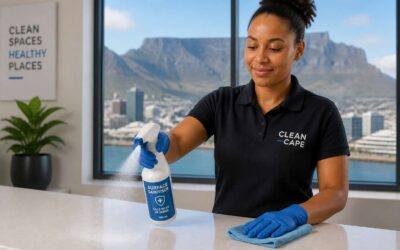
- Surface sprays formulated for high-traffic office environments
- Individually wrapped wipes for hospitality and healthcare
- Pocket-sized mist sprays for commuters and field workers
These formats require distinct microbiology testing and packaging lines. They also open doors to clients in facilities management and logistics, segments that have largely stayed outside the personal hygiene conversation.
What strikes me most is the procurement pattern shift. Businesses want portability and surface coverage alongside hand hygiene. The coming years will likely separate producers who invest in multi-format capabilities from those who remain single-product operations. The demand is already there!
Partnerships with Healthcare and Hospitality Sectors
The next phase for hand sanitiser manufacturers south africa will be defined by partnership depth, not production volume. Hospitals need formulations that hold up under demanding infection control routines. Hotels look for dispensers that match their aesthetic and guest experience goals. These are different conversations with different priorities.
Healthcare procurement officers weigh sterility assurance and skin sensitivity data carefully. Hospitality buyers care about scent, texture, and brand recall. Both sectors want dependable delivery schedules and clear communication.
A practical evaluation framework includes:
1. Regulatory documentation ready for tender submissions
2. Flexible batch sizes that accommodate seasonal demand
3. Responsive account management for urgent restocking
The manufacturers who build trust with these industries now will define the sector’s future. The demand is real and growing.
Export Opportunities Within Africa and Beyond
South African production costs remain among the most competitive on the continent, a fact that creates significant opportunity for hand sanitiser manufacturers south africa. Exporting to neighbouring states such as Botswana, Namibia, and Mozambique offers shorter lead times than shipments from Europe or Asia. West African markets, with their expanding healthcare infrastructure, also present a growing demand for quality assured products.
The groundwork done in local certification now pays dividends abroad. Regional buyers actively seek suppliers who already meet SANS standards. To capture this trade, consider the following:
– Engage with the Southern African Development Community’s trade facilitation protocols.
– Align manufacturing volumes with regional hospital tender cycles.
– Develop bilingual packaging to reduce customs friction.
Beyond Africa, Middle Eastern and Southeast Asian markets show interest in African made sanitising products. Currency exchange rates make South African exports attractive. The agility developed through local distribution networks becomes the lever for international growth. The path forward belongs to those who treat borders as lines on paper, not barriers to business.

0 Comments